How to use EnergyGuide labels to compare two refrigerator prices
Apply the same electricity price to the annual energy use on both labels, then compare the models over the same ownership period.

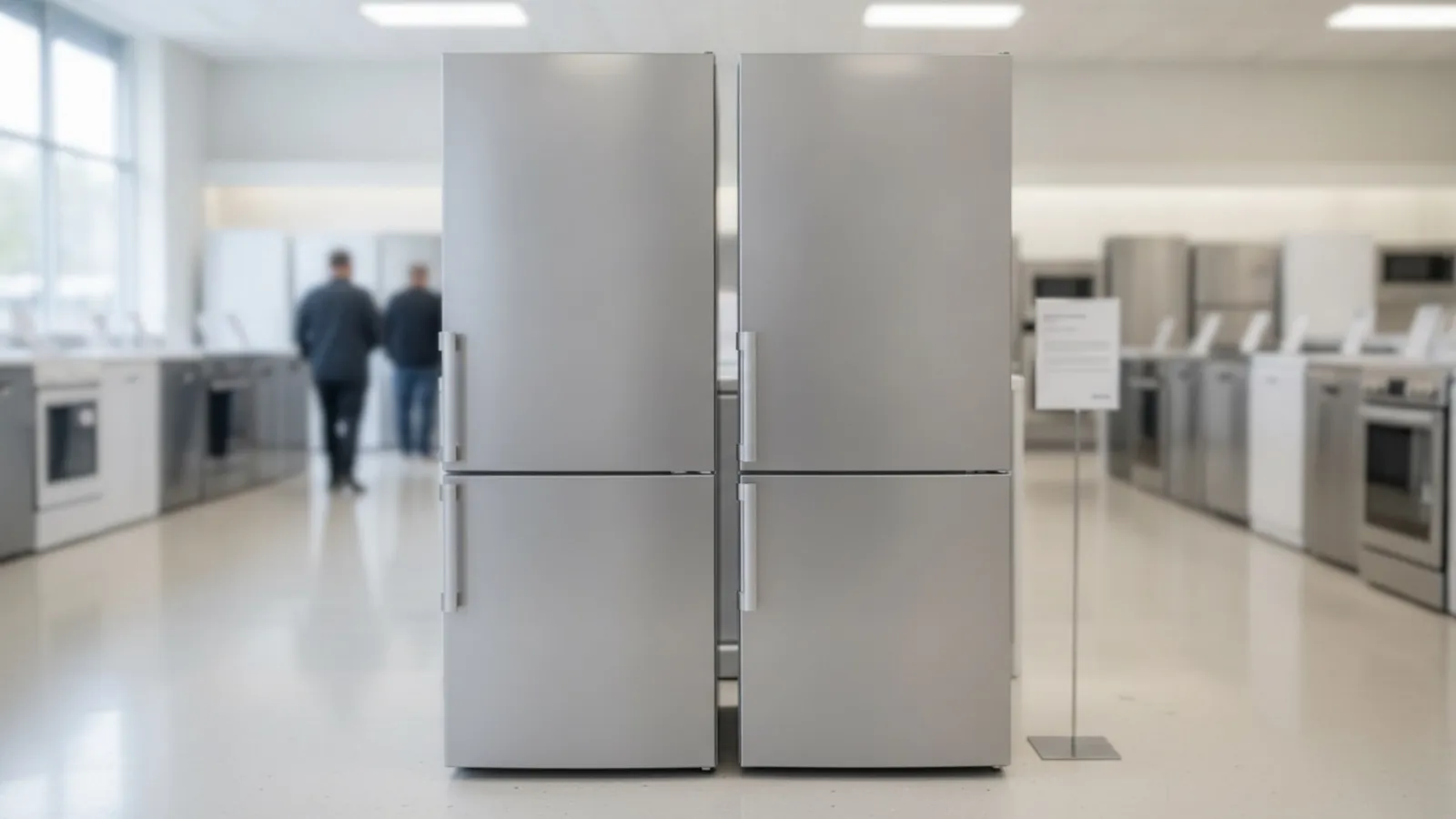
When two refrigerators fit your kitchen and serve the same needs, compare their estimated electricity use alongside the purchase price. Use the EnergyGuide label for the exact model and apply the same electricity price to both. Then check whether the difference is large enough to matter over the time you expect to own the appliance.
Start by checking the dimensions, capacity and features you need. An estimate for a model you would not buy is a poor basis for choosing between the ones that fit.
Read the label for each exact model
Match each label with the model on the quote. Record the annual electricity use, shown in kilowatt-hours, and keep it separate from the annual dollar estimate. If the store lists several similar models, confirm which label belongs to the one it can deliver.
The Federal Trade Commission explains that the EnergyGuide operating cost is an estimate based on typical use and a national average energy price. Your cost depends on your use and local electricity price. Use the label’s energy figures for an equal comparison and ask your utility what usage price is reasonable for your own estimate. FTC guide to using an EnergyGuide label (checked November 23, 2026)
If you have several rates or charges, ask which ones change when you use one more kilowatt-hour. Keep fixed charges separate if they would be the same with either refrigerator. If the rate is uncertain, record a low and high estimate rather than trying to predict your bill exactly.
Compare the annual difference and the upfront price
In a fictional example, Model A uses an estimated 550 kilowatt-hours per year and costs $750. Model B uses 400 and costs $840. At a fictional electricity price of 20 cents per kilowatt-hour, the annual electricity estimates are $110 and $80. Model B costs $90 more upfront and saves an estimated $30 per year, so the difference in purchase price would be recovered in three years if the assumptions held.
Over five years in the same example, A would cost $1,300 including estimated electricity, and B would cost $1,240. B would be $60 cheaper. If the energy price were 12 cents instead, the yearly difference would be $18 and the simple payback would be five years. Those results apply only to the example. Keep repair, financing or other costs on separate lines if they differ for the models you are considering.
Confirm the costs outside the label
Get the final price for each refrigerator using the same delivery, installation and removal assumptions. The checkout comparison can help you record confirmed fees. If one model qualifies for a rebate or comes with a different service agreement, ask what you must do to use it and when it would reduce your outlay.
Check that both models would still fit if your household needs change. Keep the label and quote with the date and electricity price you used. If the product price changes before you buy, update the comparison rather than reusing the old payback. If you expect to keep the appliance for less time than the payback in your worksheet, compare the total through that shorter period. If you might move, decide which purchase and installation costs you would face again.
Common questions
Can I compare the dollar amounts printed on the labels? Check whether both labels use the same assumptions. Applying the same local usage price to both energy estimates makes your comparison easier to interpret.
Does the lowest energy use settle the decision? Compare the difference with what you would pay to buy and install each model. Use the same ownership period and keep the estimate separate from what you paid at checkout.
Sources
Sources checked November 23, 2026.