Set a buy price and a last date to wait
Set a price you’d pay for a specific item, choose when to stop waiting, and account for what getting by will cost in the meantime.

Decide what you’re willing to pay while you still have time to walk away. An appealing price is easier to judge when you’ve already chosen the exact item, an acceptable total, and the latest day you can place the order.
Set a target for one specific item
Write down the model, condition, and the features you actually need. Pick a price for the complete purchase, including any delivery charge and taxes you can see at checkout. Keep the prices you find next to the dates you saw them. If you choose a price alert, recheck the real total when it fires. The FTC recommends recording details such as model numbers and fees and comparing the full cost of an online order (Federal Trade Commission, checked November 21, 2026).
Use two numbers if it helps. A buy price is a total at which you’d be happy to place the order today. A ceiling is the most you’re willing to pay if the need becomes urgent. If the ceiling would buy something with more features than you want, set a separate price for a functional substitute. Write down which features you’d give up and which you still need. Leave room for prices to stay where they are.
Work back from the day you need it
Start with the date you need the item in hand. Then allow for delivery or pickup, time to test it, and a backup plan if the first item doesn’t work. The last day to place an order may be earlier than the last day the old item can get you by. Use a seller’s current delivery estimate and give yourself time to check it again if the date matters.
Put these three entries in your calendar or notes.
- Buy price. The full price that gets an immediate yes for this item from a seller you’re willing to use.
- Last date to wait. The day you’ll buy, use your substitute, or make a different plan.
- Cost to wait. Any spending you can avoid by buying sooner, such as rental or repeat transport. Keep inconvenience and time next to the dollars so you can judge them separately.
At the review date, ask whether the possible saving still leaves enough room for the costs you’d incur by waiting. If the actual price has changed, use the new price. Treat an unannounced discount as a possibility.

Illustrative example — Replacing a commuter backpack
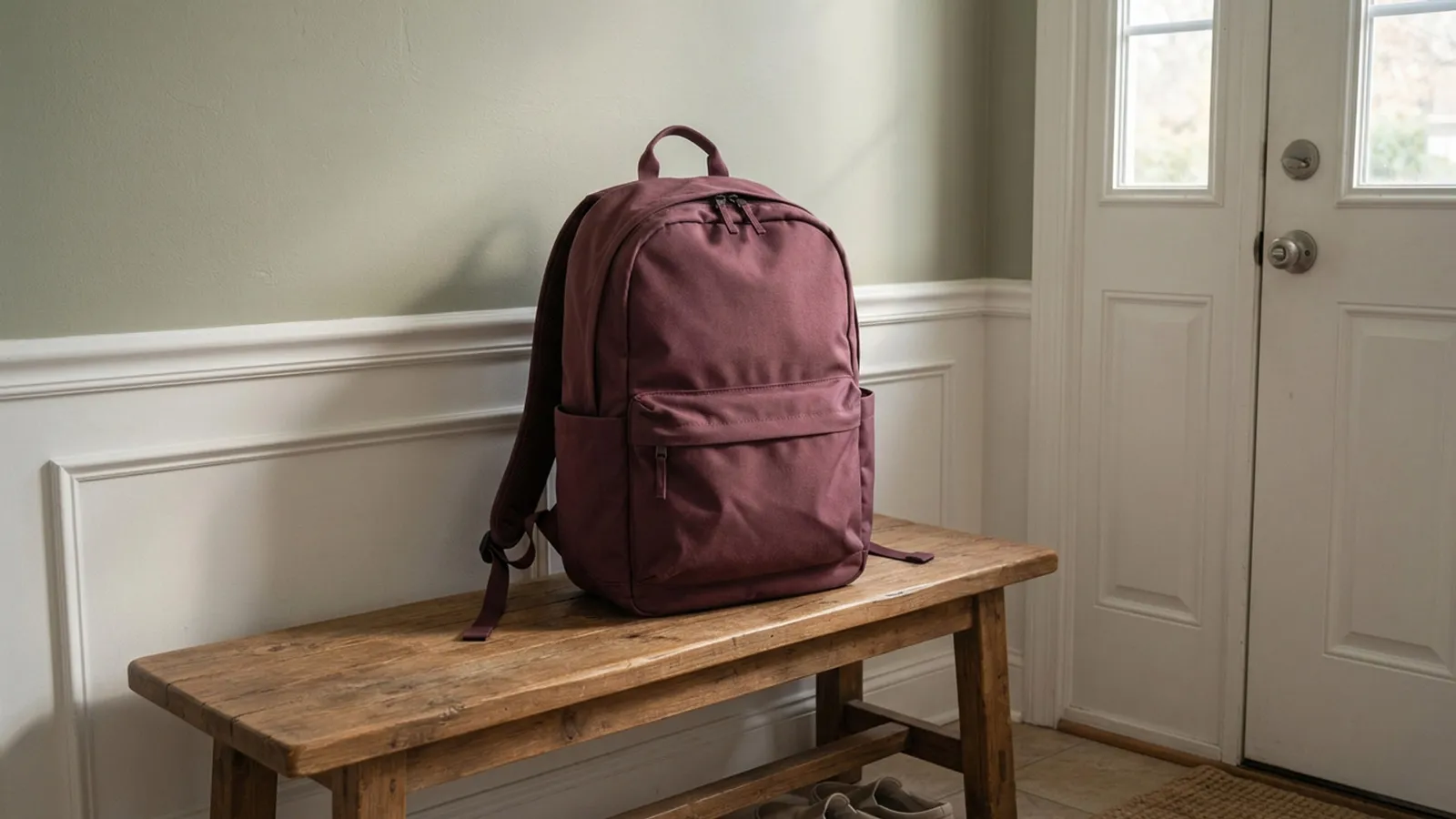
Suppose a backpack that fits your laptop costs $92 delivered. You’d buy it today for $80 and can spend up to $95 if needed. You need it the week you return to the office. Allow three days for shipping and two days to check the fit and pick up a substitute if needed. Set the last order date five days before your first commute.
Your current bag can get you through this week. After that, borrowing a bag would require $8 in extra bus fares to pick it up and return it. If you wait and your target price turns up, the backpack plus fares would cost $88. That’s $4 below buying now. Decide whether the extra trips are worth a possible $4 difference. If pickup at a local store becomes the fallback, verify stock and the pickup deadline before counting on it.
Common questions
What if I can’t find a dependable price history?
Record two or three current offers for the same item and set the threshold from what it’s worth to you. A threshold works even with a short price history.
Do I have to buy when the price alert fires?
Check the seller, condition, delivery, and checkout total first. Buy only if the offer fits the conditions you set.
Sources
- Federal Trade Commission. Online Shopping. Checked November 21, 2026.