Read the return policy before you place an online order
Check who takes the return, when the deadline starts, and how much you might get back before paying for an online order.

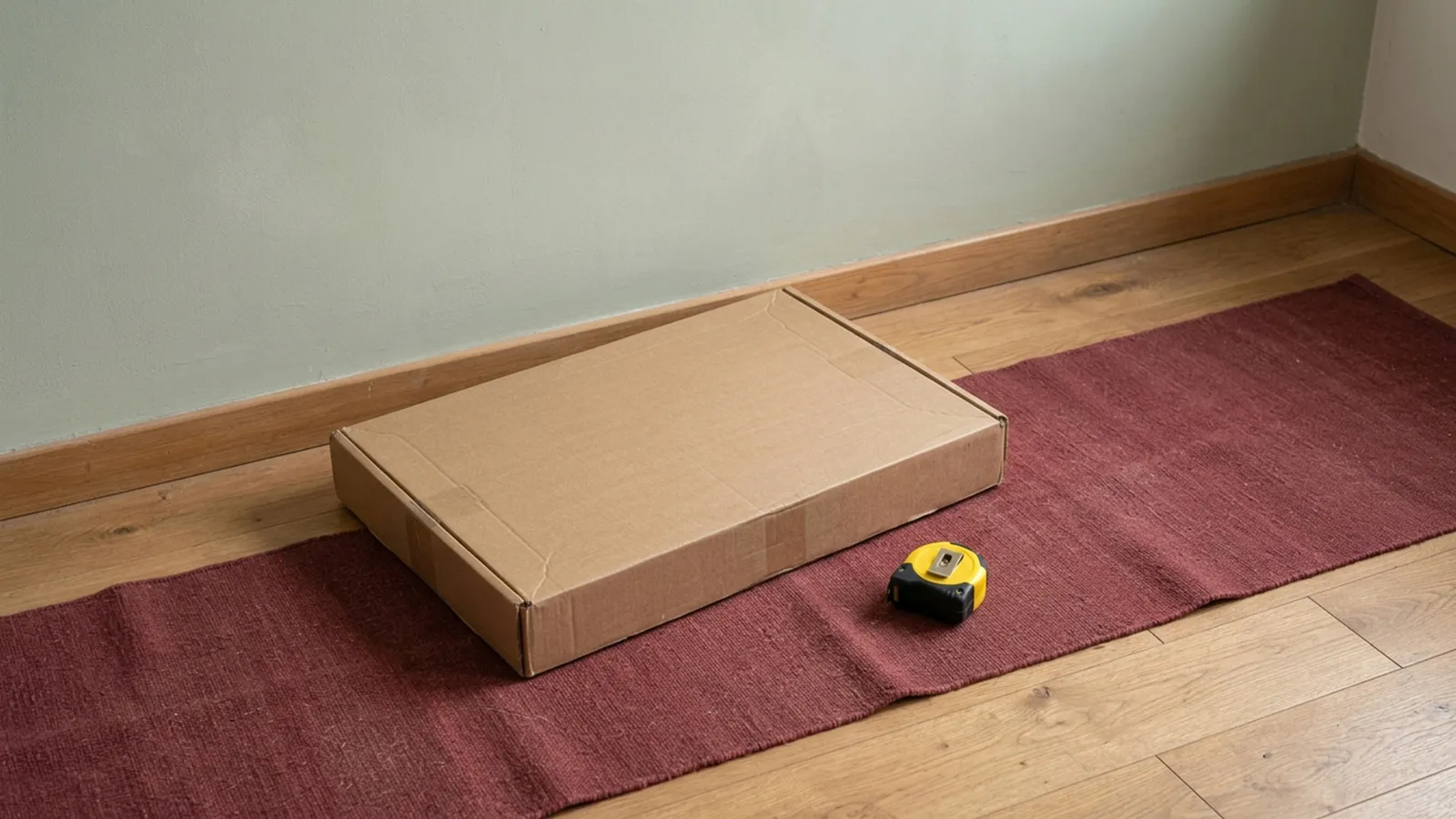
Before you pay for something you may need to send back, find the return terms for the exact item and seller. An easy return for a small item can look quite different if your order is bulky, the box has been opened, or a marketplace seller handles the return.
Find who will take the return
Open the terms linked from the product listing or checkout. Note who sold the item and where you would start a request. If you expect to take the item to a store, check that the store accepts returns for online orders from that seller. Look for any item-specific terms, including clearance, customized products, or opened packaging. If the general policy and the listing differ, ask which applies and save the reply.
The FTC advises checking whether a full refund is available and whether a sale item has different terms. It also suggests keeping a copy of the return policy and seller communications with your purchase records (FTC Consumer Advice, checked November 21, 2026).
Check the clock, the route, and the refund
Find the event that starts the return window, such as purchase or delivery. Read what you must do by the deadline. A policy might ask you to open a request, hand the item to a carrier, or get it back to the seller by a certain date. If the wording is unclear, ask before ordering. For gifts, check whether the recipient will still have time to try it.
Then find out whether the seller supplies a label, where you can drop off the package, and whether it must include original packaging, parts, and proof of purchase. If returns are mail-only, think about how you’ll pack and transport the item. Ask whether return shipping, original delivery, or a restocking fee comes out of the refund, and whether you’d receive money or store credit. Return shipping costs, deadlines, and restocking charges are among the questions the FTC suggests asking before you return an item (FTC Consumer Advice, checked November 21, 2026).

Illustrative example — A chair that might not fit
Suppose you’re considering a flat-pack chair. The illustrative listing says the return window starts on delivery, requests go through the seller, and the item must be handed to the carrier by the deadline. The seller deducts $18 for its return label from the refund and does not refund the $12 original delivery charge. With those example terms, changing your mind could cost $30 even if you get the item price back.
Before ordering, measure the space and ask whether opening the package to check the fit affects eligibility. If the seller confirms you can open it, save that answer. Plan to check the fit on delivery day and keep the box until you decide. Before unpacking, look up the nearest allowed drop-off location and check whether you’d need a ride or a pickup for a package this size. If the seller can’t answer and an easy return matters to you, compare an offer with clearer terms.
Common questions
What if I can’t find a return policy?
Ask the seller for the terms for that item, including the deadline and any fees, before paying. If the response is too vague to rely on, treat the refund as unresolved in your comparison.
Is returning an unwanted item the same as making a warranty claim?
Use the return policy when deciding whether you can change your mind. For a product that fails, check the warranty separately for what it covers and who handles the claim (FTC Warranties, checked November 21, 2026). For a disputed right or unclear state rule, find your state consumer protection office (USAGov, checked November 21, 2026).
Sources
- Federal Trade Commission. Online Shopping. Checked November 21, 2026.
- Federal Trade Commission. Warranties. Checked November 21, 2026.
- USAGov. State Consumer Protection Offices. Checked November 21, 2026.