Compare package sizes using the amount you’ll actually use
Compare prices per unit, then see which pack costs less for the amount you realistically expect to use or store.

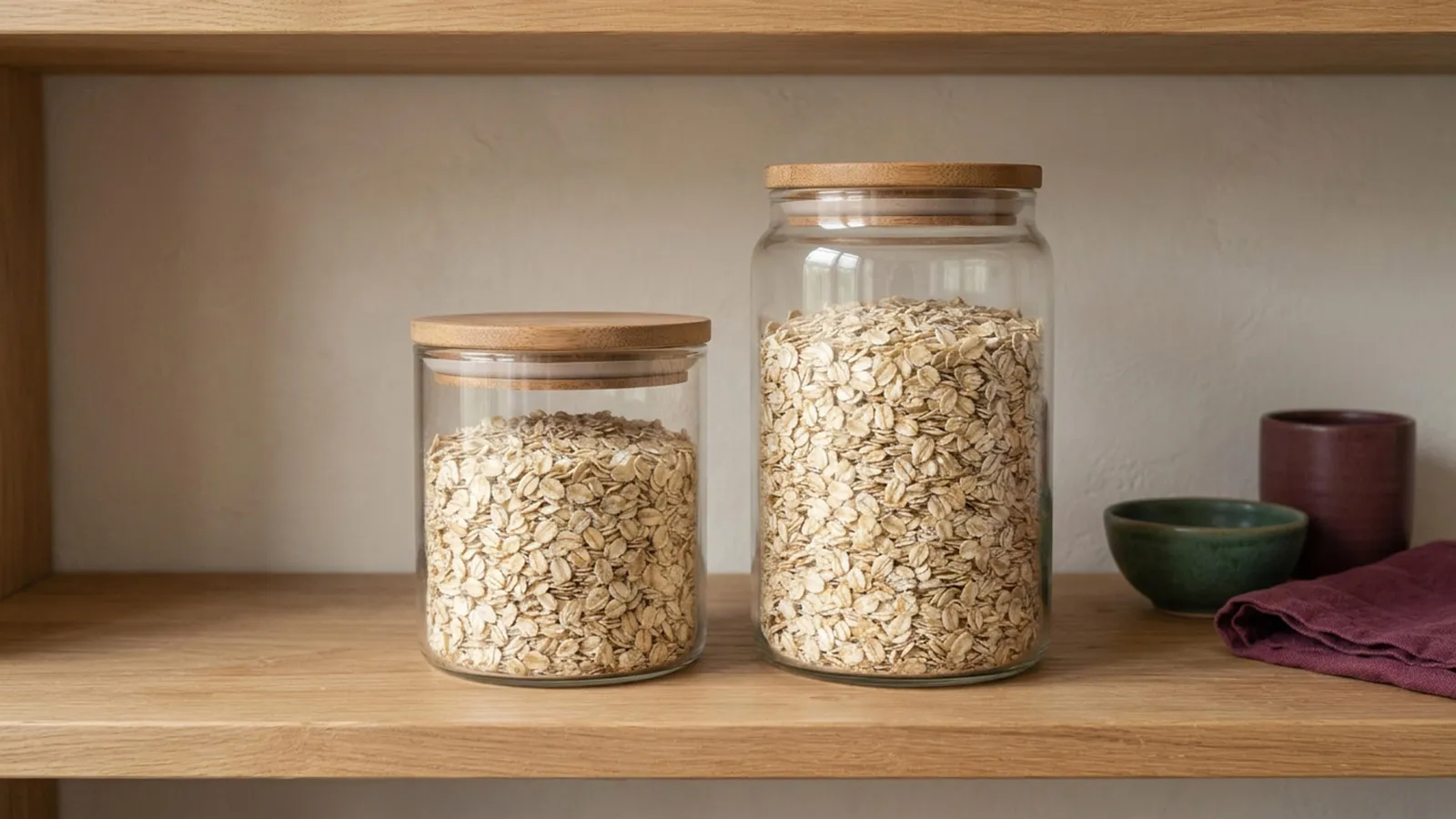
A bigger pack can cost less per ounce while taking more out of your shopping budget. Before buying it, work out how much of it you’re likely to use and whether the remainder will have a place to go.
Compare the same unit across packs
Use the amount in the whole package and the price you would pay for it. Divide each price by the same unit. For packages sold by weight, use ounces or pounds for both. For liquids sold by volume, use fluid ounces or another consistent volume measure. For a multipack, add the contents of all the individual packages first. NIST’s unit pricing guide explains that comparisons work when prices for the same kind of product use the same measure (National Institute of Standards and Technology, checked November 21, 2026).
If different pack sizes qualify for different discounts, use the actual price after any offer you can use. Keep per-package charges tied to that pack. When ordering online, check whether buying one size rather than another changes the order’s delivery or fee total.
Compare what you’ll actually get out of the package
Pick a realistic period to consider. Use recent shopping or past use as a starting point. Check how much storage you have, including space you need for other purchases. Factor in the product’s storage instructions, whether inner packs are sealed separately, and how much you normally use once a pack is open. If conditions make the remainder hard to count on, keep it out of your first estimate.
Divide each price by the amount you expect to use. Treat this as a personal estimate. The shelf price per unit still describes the entire package. Write both figures down. If one pack won’t cover the amount you need, include the number of packs you’d buy. You can compare buying the whole amount today with picking up more when you need it.
If the price label uses a different unit from the package, convert both before comparing. Keep the number of pounds, ounces, or other units visible in your note so you can see whether a surprisingly low unit price comes from the measurement rather than the offer.
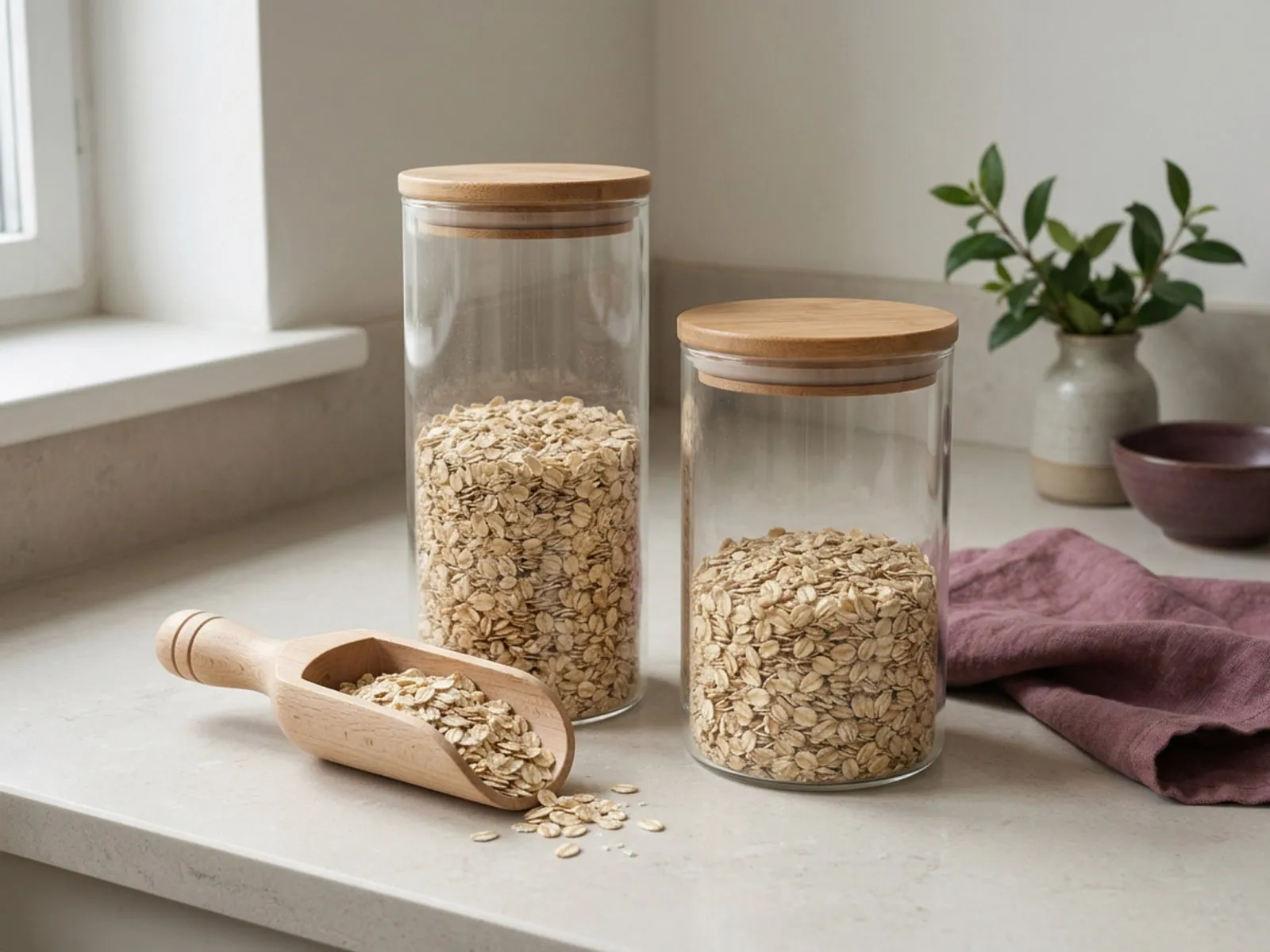
Illustrative example — Choosing a bag of oats
Suppose the same oats come in a 24-ounce bag for $3.60 and a 48-ounce bag for $5.76. The totals are the prices you would pay in this example. You expect to use 24 ounces before a move and have no plan for storing or taking the rest.
| Pack | Price per ounce in the pack | Cost per ounce you expect to use |
|---|---|---|
| 24 ounces at $3.60 | 15 cents | 15 cents |
| 48 ounces at $5.76 | 12 cents | 24 cents if you use 24 ounces |
Buying the larger bag would cost $2.16 more in total to cover the same use. If you later decide you can use all 48 ounces, compare it with two smaller bags at $7.20. The large one then saves $1.44. If you can use some of the remainder and are unsure how much, run both estimates before deciding.
Common questions
What if two packs contain different kinds of the product?
Check whether both would do the same job before using price per unit to choose. One pack can look cheaper because its pieces are smaller or because you’d use more each time. Compare by a meaningful quantity only if the products are comparable.
Should I count the portion I could split with someone?
Use it in a second calculation if the other person has agreed to take it. If they’ll pay for their share, confirm the amount before counting that in your own cost. Check what you’d do with the pack if the arrangement falls through.
Sources
- National Institute of Standards and Technology. Unit Pricing Guide. Checked November 21, 2026.