Buy a replacement now or keep using what you have?
Compare what it costs to keep an item working through a specific date with the full cost and practical benefit of replacing it now.

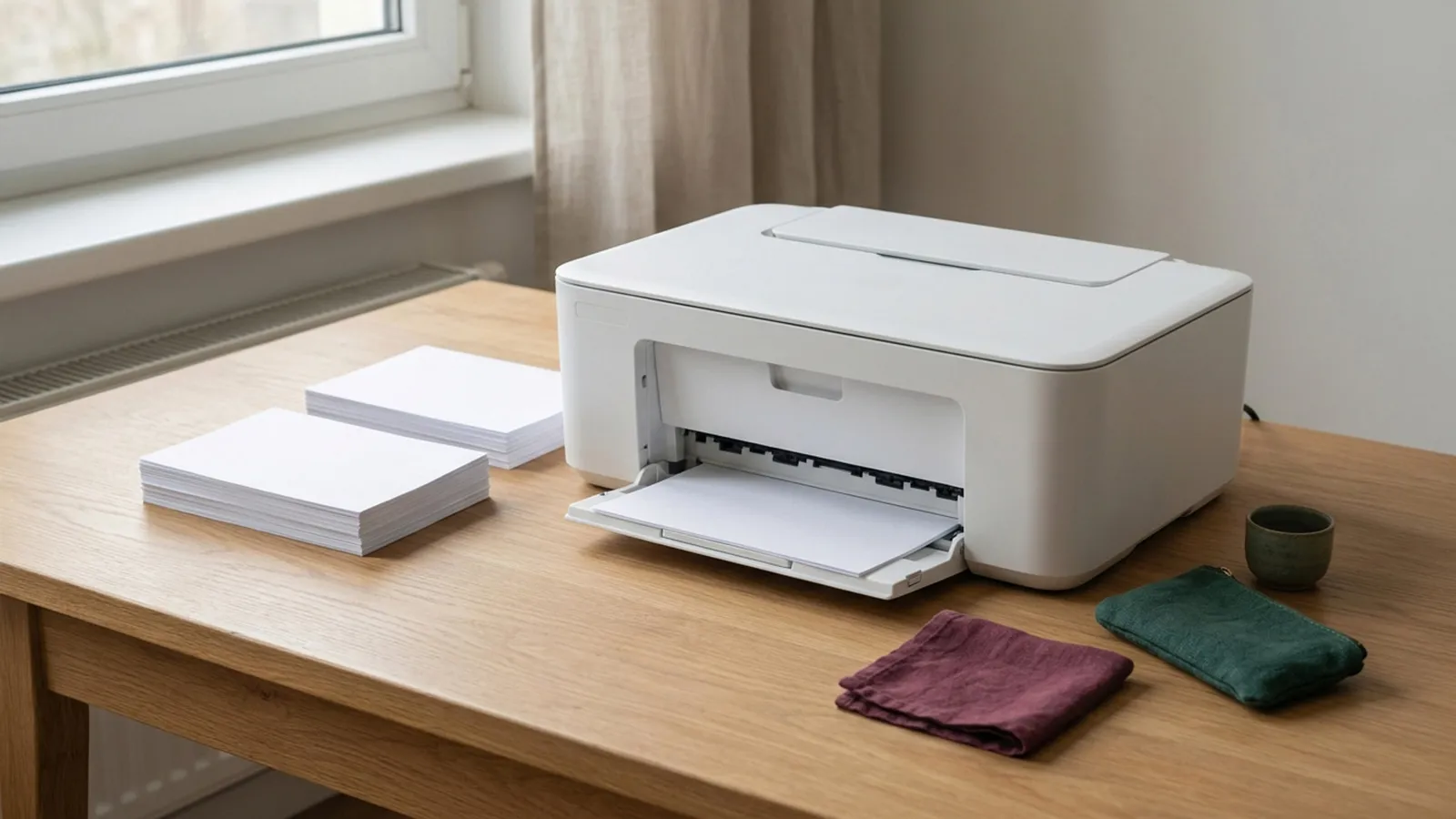
If something you own still does the job most days, work out what it costs to keep using it for a little longer. Choose a date when you can reconsider. Compare the real cost of getting by until then with what you would spend and gain by replacing it today.
Write down what getting by requires
Set a period that makes sense for how you use the item. It might end after a move, a busy stretch, or the arrival of a part. Write down what the existing item must be able to do during that period. Put a separate limit on disruption, such as one extra trip a week or no missed deadlines.
Add any expenses you expect if you keep it. Include a confirmed service quote, consumables you would buy only for the old item, or the price of a backup when it fails. If the amount depends on how often something goes wrong, use a normal week and a more disruptive one. Leave the time, extra trips, and interruptions visible beside the dollars. If there’s a safety concern, pause use and check the manufacturer’s guidance or ask a qualified repair professional before relying on the item.
Compare two paths through the same date
For the replacement, use a model that meets the same needs. Add delivery, supplies, setup, and disposal costs that apply. The FTC recommends checking the full online purchase cost and reading delivery and return terms before ordering (Federal Trade Commission, checked November 21, 2026). Check when you could use the replacement, especially if it needs assembly or a separate part.
Write down what each path leaves you with on the review date. Buying now leaves you with the new item and any supplies it uses. Delaying might leave you with an older item that still works, along with money you haven’t spent on a replacement. If you would buy the same replacement on the review date, include that future purchase as a separate version. Help yourself see which comparison assumes you keep the old item longer.
Pick a reason to act sooner and write it beside the date. If the backup becomes unavailable or the old item stops doing a job you can’t put off, compare the two paths again using the new facts.
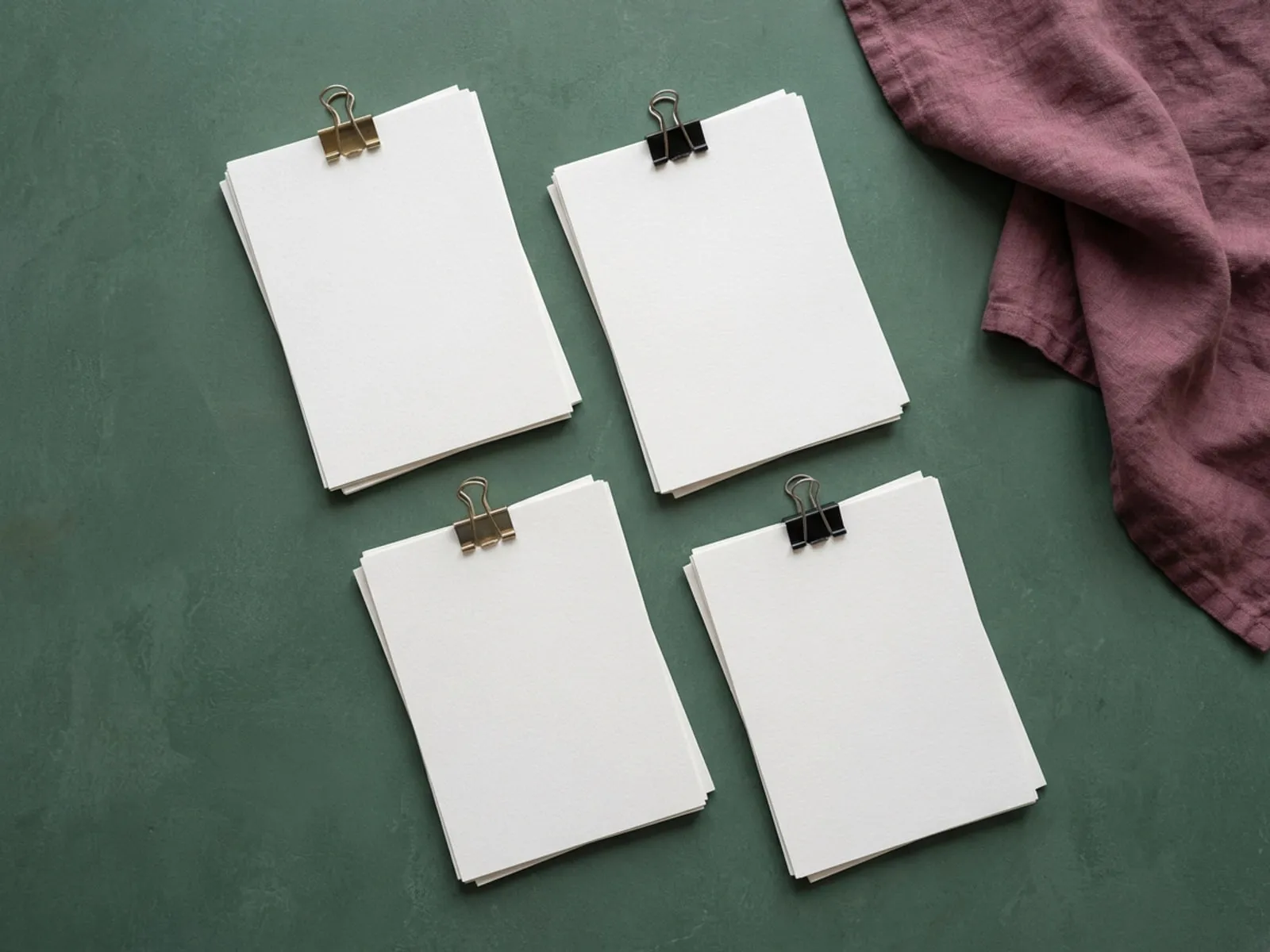
Illustrative example — Keeping a printer through a busy month
Suppose a printer works for single pages but jams when you print long packets. You need four packets over the next month. A local print shop quotes $6 each. Replacing the printer now would cost $138 delivered, including the supplies you’d need for the packets. The shop is on a route you already take, so you assume no extra fare.
| Through the end of the month | Total outlay | What you have at review |
|---|---|---|
| Keep the printer and outsource four packets | $24 | The existing printer and the option to reconsider |
| Replace the printer and print the packets at home | $138 | The new printer |
| Outsource first, then replace at the same price | $162 | The new printer, bought later |
Delaying costs $24 if you can keep using the printer for other jobs. If you already expect to buy at the end of the month, waiting at the same replacement price costs $24 more than buying now. Put the review date after the fourth packet and bring it forward if smaller jobs also start failing.
Common questions
How should I value time spent getting by?
Keep time in a separate column. Decide how many trips or delays you would tolerate before replacing the item. You can make the decision without assigning an hourly price to your time.
What if the replacement price could change?
Use a price you can verify now and label any future price as an assumption. Check again at your review date.
Sources
- Federal Trade Commission. Online Shopping. Checked November 21, 2026.